Electronic products are fragile, expensive, and sensitive. A small mistake in their packaging can destroy them before getting to customers. This is unlike clothes or food that can be squeezed and shaken, with an assurance that they will maintain their integrity.
Inside every electronic device are circuits, chips, and sensors that must be protected. That means the packaging box isn’t just for looks, it’s part of the protection system. If packaging fails, the product may arrive damaged, malfunction, or stop working. For brands, this means returns, refunds, or loss of trust. For customers, it means frustration.
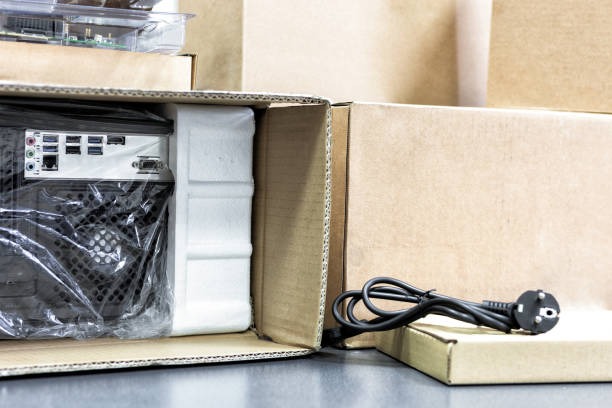
In this comprehensive guide, we will explain how to package electronics for shipping, storage, and shelf life to prevent any damage.
Invisible Enemies: Hazards Unique to Electronics
Electronics face threats that most products never have to worry about. These threats are often silent and gradual. Understanding them is the first step to keeping your electronics safe.
- Electrostatic Discharge (ESD): Electrostatic discharge is a static charge (silent killer) that can fry electronic components even before a customer powers them on. This can happen from friction during shipping or handling, resulting in short circuits, overheating inside chips, and weakened components that later fail.
- Moisture & Humidity: Moisture is another silent killer. When air humidity changes, tiny droplets of water can form inside the packaging box. And over time, this leads to corrosion—which is dangerous on metal contacts and circuit boards.
- Vibration & Micro-Scratches: Delivery vehicles are bound to vibrate during transit, causing shakes and scratches on products. This may result in the need to repolish devices that have peeled or rubbed off on each other. In most cases, the damage may be subtle but still noticeable.
- Impact & Compression: Electronic products are fragile and shouldn’t be pressed down with heavy loads. But in trucks and warehouses, boxes are stacked on one another. In the event that this happens, delicate screens and camera lenses may crack, resulting in customers’ dissatisfaction.
The Retail Solution: Top Tiers of Electronic Boxes
Now that you know the hidden threats that electronics face, the next step is to choose the right packaging structure that can resist them.
- The Rigid Box: A tough packaging like “rigid boxes” is the best option when you need to protect your electronics from vibration, scratches, impact, and compression. Rigid boxes are thick, strong, and protect fragile screens. Many smartphones and tablets use them because they keep shape under pressure. They also have a slow-opening effect, which gives a premium feel and signal quality to buyers.

Source: iStock
Alt Text:
- Folding Cartons with Sleeves: These are lighter and cheaper than rigid boxes but still efficient in packing electronics for shipping and storage. Folding carton boxes with sleeves are great for lightweight devices like headphones and wearables. They offer a balance between cost-efficiency and a high-end look.

Source: iStock
Alt Text: Folding Carton with Sleeve
- Anti-Static Coatings: To prevent electrostatic discharge, some boxes are lined with conductive or static-dissipative materials that neutralizes static charge before it affects the electronics. This solution is very important in preventing sensitive chips from burning.

- Anti-humidity Materials/Inserts: Moisture-resistant liners or treated paperboard can be used to curb moisture & humidity hazards. They help to block water vapor from reaching the electronics. Over time, especially after long shipping routes or warehouse storage, you will discover that this is the difference between a working device and a corroded one.
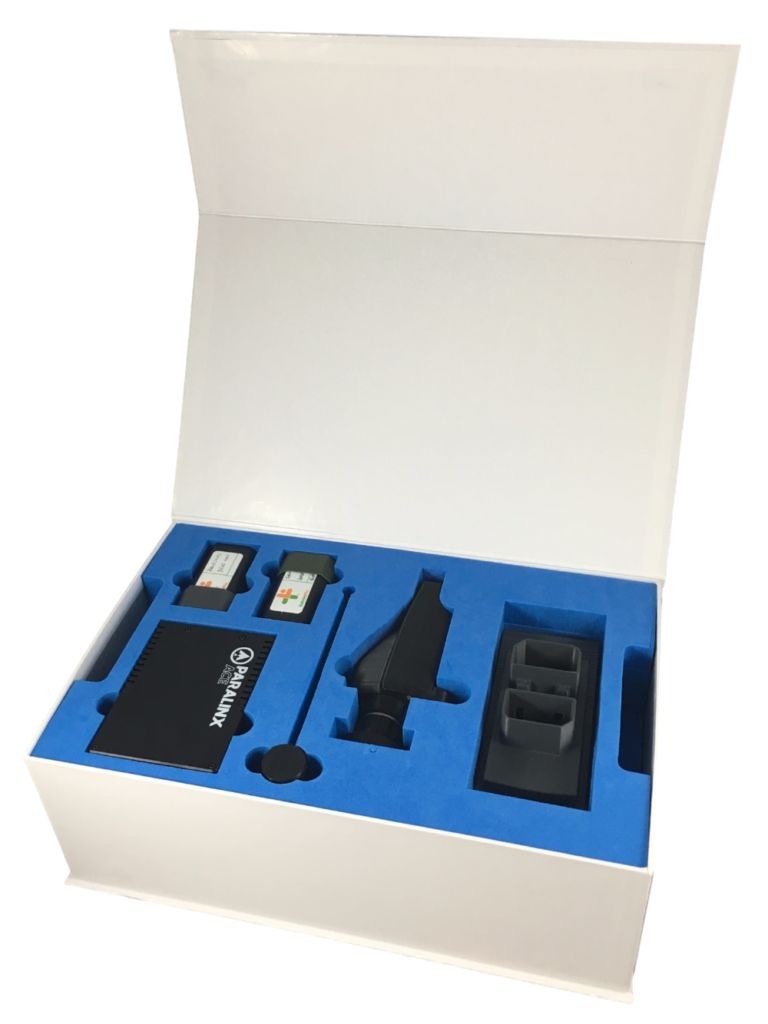
Designing for Safety: The “Insert” Masterclass
As much as the outside of the packaging box is important, inside the box is where the real protection happens. It’s imperative that you use inserts to hold the product firmly in place, so that it doesn’t collide with the wall of the box or get direct shock.
Here are some electronic package inserts that are most reliable:
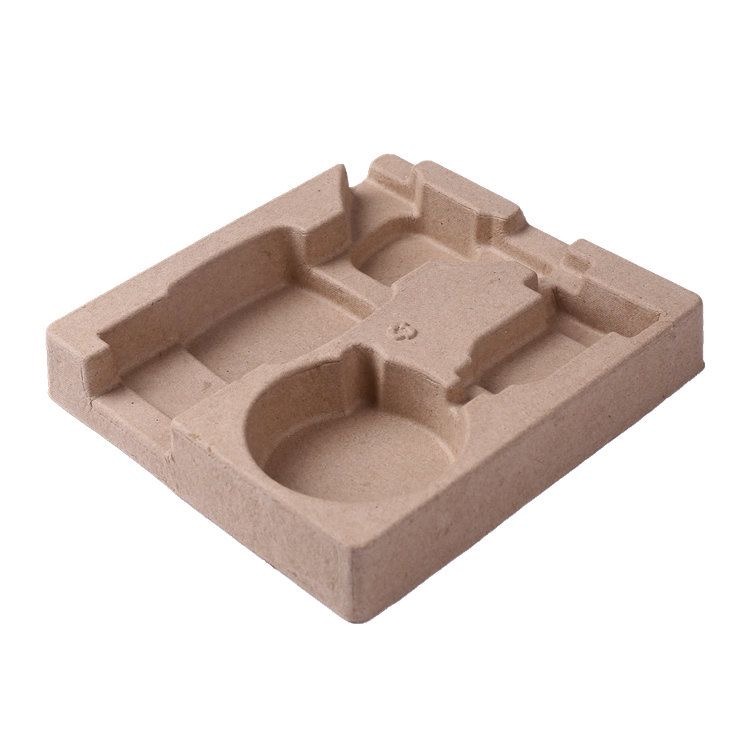
- Molded Pulp Trays: These are made from recycled paper fibers and are shaped to match a product’s exact form. They are precision-contoured to cradle devices tightly so movement is impossible. Molded pulp trays are the most eco-friendly insert for keeping electronics in place.
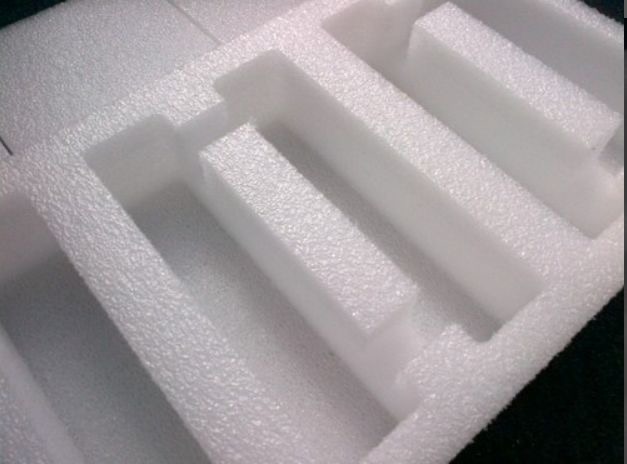
- EVA & EPE Foam: Materials like EVA & EPE foams have many advantages, and are great options for reducing the force that reaches the device. They compress during a drop or crash, absorbing the impact energy. These foams are widely used for headphones and laptop packaging.
- The “Suspension” Hack: Another strategy is to design the packaging box so the product is suspended in the center. This leaves empty spaces between the device and the box walls. The empty spaces are filled with inserts to absorb shock before it reaches the product.

- Compartmentalization: Each part of the electronics should have their separate section with inserts. For example, cables and chargers should have different slots, as well as the major devices. This is because a loose part sliding around can damage the screen.

Hacks to Lower Your Risk (Pro Tips)
Beyond the standard package designing & building, there are some simple tips you can apply to make sure your electronics retain their original form. They are:
- Screen-First Design: Always protect the screen; ensure no hard plastics or rough textures touch it. Also use soft-touch laminations or micro-fiber linings to prevent scratches caused by vibration.
- Moisture Control: Use silica gel packs or moisture-barrier films to block humidity from damaging your devices. These are very effective during sea shipping or rainy seasons.
- Tamper Evidence: Customers want proof that their device is new. So, when designing your electronic component packaging, include holographic seals, tear strips, or breakable labels to show that the package hasn’t been opened.
- Orientation Guides: How electronics are placed can determine whether they get damaged or not. Use signs like arrows or “This Side Up” icons help handlers keep packages upright. This reduces pressure in fragile components like lenses or screens.
- Corners Reinforcement: Most box damages start from the corners. Thus, you need to make the corners very strong with tougher inserts. They absorb impact and stop dents from spreading inward.
The Final Mile: Transitioning to Shipping
Standard packaging boxes are usually designed to protect products on shelves, but not to handle the rigors that come with shipping to customers. During transit, advanced electronics packaging material and secure inserts are needed to keep devices safe.
- The Retail-to-Shipping Bridge: Retail boxes look good to the eye but they are not built for rough transport. Shipping involves stacking boxes and vibrations, and without added protection, they will fail.
- The Double-Box Method: The safest method is placing the retail box inside a second shipping carton. The outer box should be made with corrugated cardboard (whether B-flute or E-flute) to act as shock absorbers for the retail box inside.
- Snug Fit: A loose retail box inside the shipping box is a recipe for dented corners. What this means is that your electronic product packaging design must be on point. The retail box should fit tightly into the shipping box. You can fill empty space with molded inserts or air pillows to keep everything secure.
Conclusion
Packaging for electronics is not just design, it is more about excellent craftsmanship. Every layer, from the anti-static lining to inserts and double-box cartons, is meant to protect against a specific risk.
Brands that invest in proper packaging, whether how to package a computer for shipping or any other electronics, reduce returns, build trust, and make customers happy.