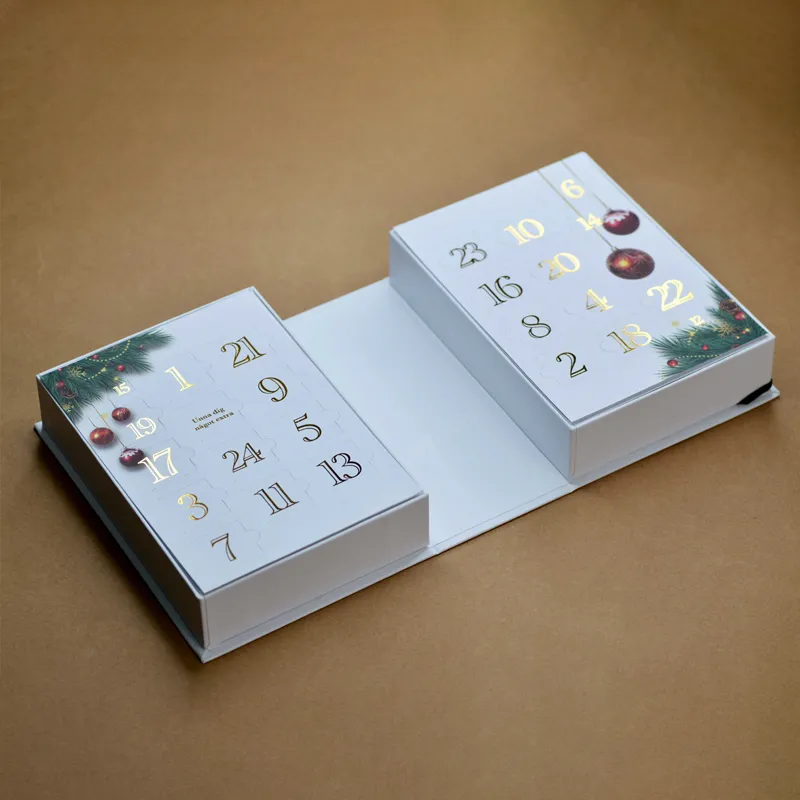
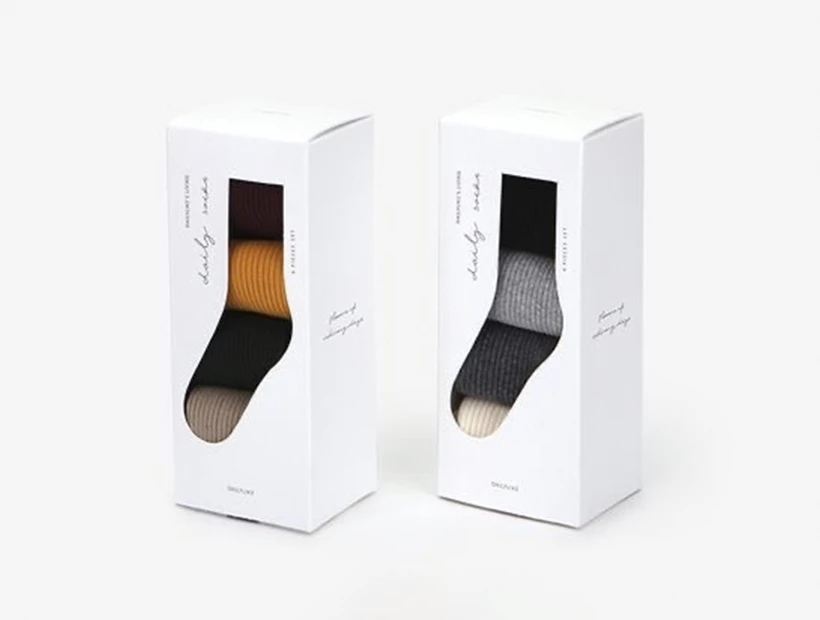
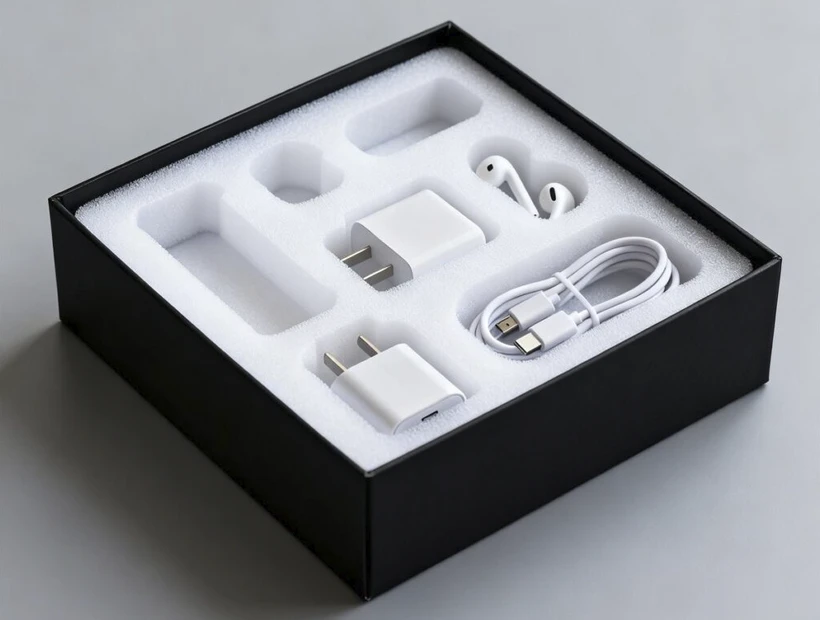
When you walk down a retail store, what catches your eye more between a fully-covered box and a box that lets you take a sneak peek into the product? More often, it’s the box that lets you see what’s inside. That’s the magic of window box packaging. It serves as an attraction to shoppers, letting the product speak for itself.
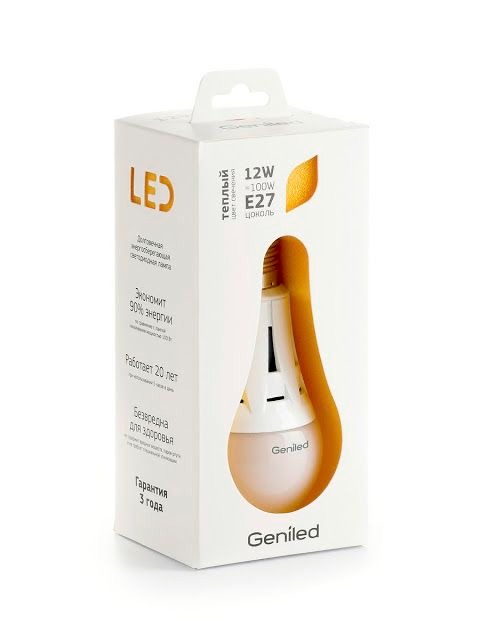
A quality window box packaging design can instantly communicate the product’s color, texture, and authenticity before a customer even reads the label. Brands use this strategy because shoppers trust what they can see.
In this guide, we will explore everything you need to consider when making a window box packaging for your products.
The Bright Side: Why Brands Love Window Boxes
Here are the advantages of integrating window gift boxes wholesale designs into your packaging strategy:
- Instant Trust
Customers often hesitate when they cannot confirm the authenticity of a product. A transparent window eliminates this barrier by aligning their expectation with reality. It allows them to see whether the product inside matches the marketing on the packaging.
This is very important for brands selling premium, handcrafted goods or products where visual quality directly translates to value. When customers can see the item before purchase, their confidence increases and return rates reduces.
- Color as a Magnet
The color of the product can be used as a magnetic force to attract shoppers. Instead of relying on printed graphics on the packaging box, you can let the color of the product itself do the visual promotion. What this means is that the packaging acts as a frame, while the product serves as the main marketing element.
This is great for products like bright macarons, sleek tech gadgets, jewel-toned soap bars, or richly pigmented cosmetics that already have visual charisma.
- Reduced Damage
Shoppers sometimes open sealed cartons to inspect contents, which weakens the packaging or makes the items unsellable. Window box design eliminates the need for customers to do this since they can see the product through the packaging.
Many retailers appreciate this because it helps them maintain the durability of the packaging and ensure that products are sellable. This is very important for skin-sensitive products that shouldn’t be touched by several hands because of germs, as well as fragile items that can be broken when not handled properly.
The Trade-Offs: What to Watch Out For
Despite the advantages of the window box packaging design, there are some shortcomings you need to be aware of:
- Light Sensitivity
Window boxes use transparent panels that allow ultraviolet and ambient light to touch the products, thereby causing the products to fade or deteriorate over time. This is especially bad for organic foods, dyed textiles, and natural ingredients.
These effects can be controlled by using protective coatings or UV-blockings, but they come with additional cost. Thus, it’s important that you evaluate your product sensitivity before choosing to use a window packaging style.
- Structural Integrity
Cutting a part off a box requires strategic engineering if the packaging is to maintain optimal strength. If not done well, the box may lose compression resistance during stacking or shipping.
However, designers typically compensate by adjusting the board thickness or adding inserts. These reinforcements are particularly important when producing heavier packaging, such as a kraft box with window, where every part of the box is expected to have the same level of strength.
- Cost Factor
Window box packaging manufacturing involves more steps and expenses than standard paper boxes. They have to go through several processes, such as the die-cutting, film application, adhesive bonding, and alignment check, which increases manufacturing time and material usage.
Although the price difference per unit may not be a lot, large production runs can make the total expense notably higher.
Types of Window Box Packaging
The table below is a list of the major types of window box packaging designs and the products they are best-suited for.
| Type | Best For |
| Standard Die-Cut | Simple-shaped products (circles/squares) for basic visibility |
| Wrap-Around Window | Products that need to be seen from the front and side |
| Custom Silhouettes | Branding-focused designs like a leaf for organic tea |
| Open Windows (No Film) | Non-perishable products were the customer needs to touch the texture |
What Belongs Behind the Glass? (Best Use Cases)
Packaging boxes with window design can be used for different products. Amongst their main use cases are:
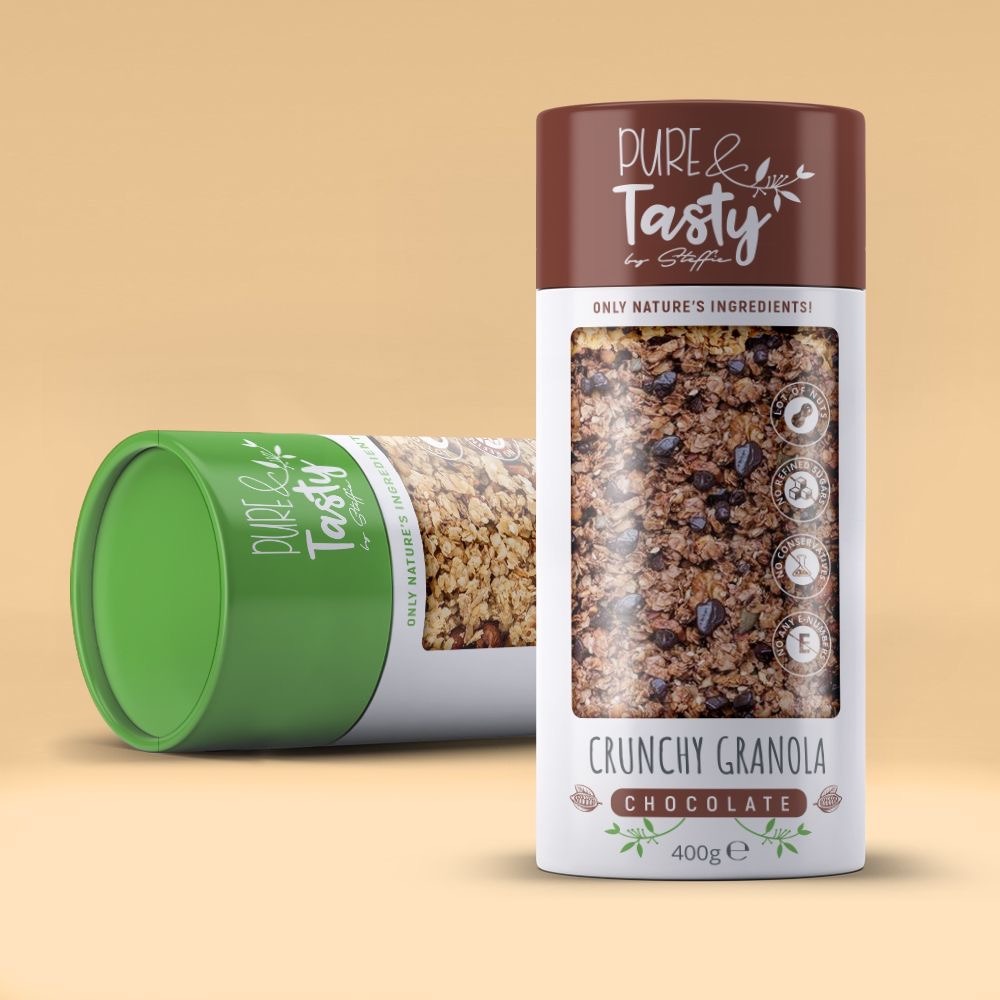
- Gourmet Food: Bakery assortments, pastries, colorful spices, and all kinds of confectionaries gain immediate appeal when buyers can check their freshness and detailing. Packaging designs like cookie window boxes, window pastry boxes, and premium chocolate packaging are used for visual presentation to stimulate appetite and signal quality.
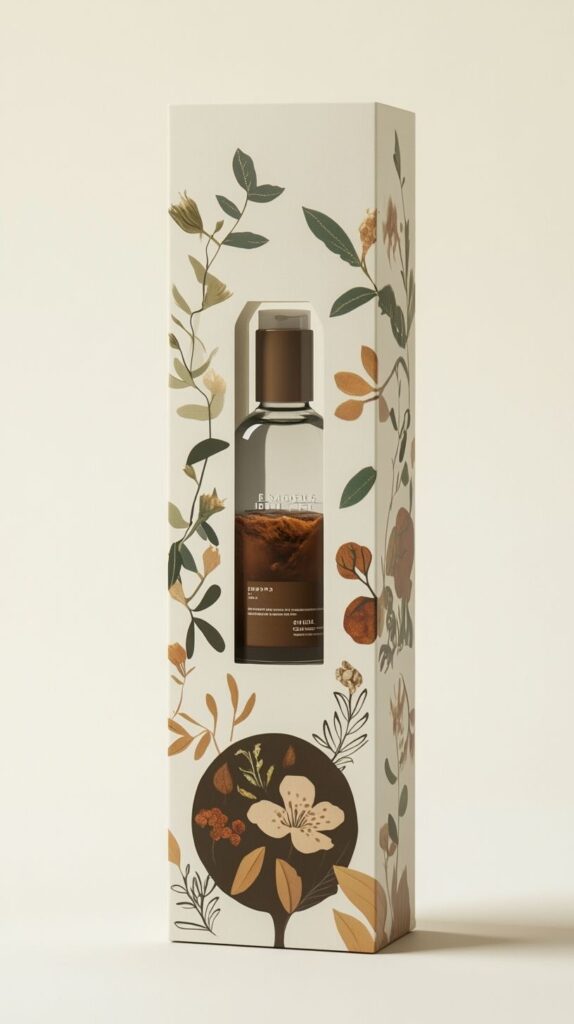
- Cosmetics & Beauty Products: Luxurious skincare product containers, makeup palettes, or soaps have unique shades that signify luxury. Displaying these through a window box will not only highlight the product’s quality but also eliminate any form of doubt in the minds of the consumers.
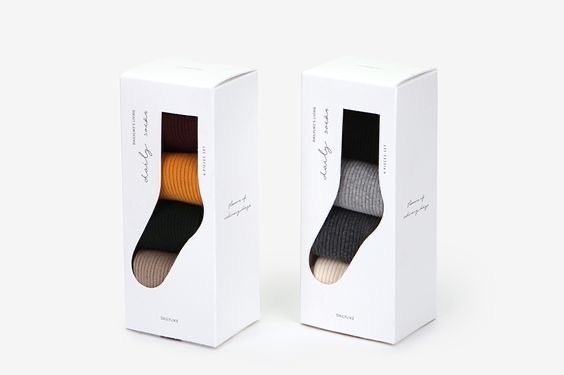
- Textiles: Items such as high-thread-count sheets, patterned socks, or decorative fabric are attention-grabbing due to the texture or patterns used in the product. Displaying these through window boxes helps to establish the quality of the product.
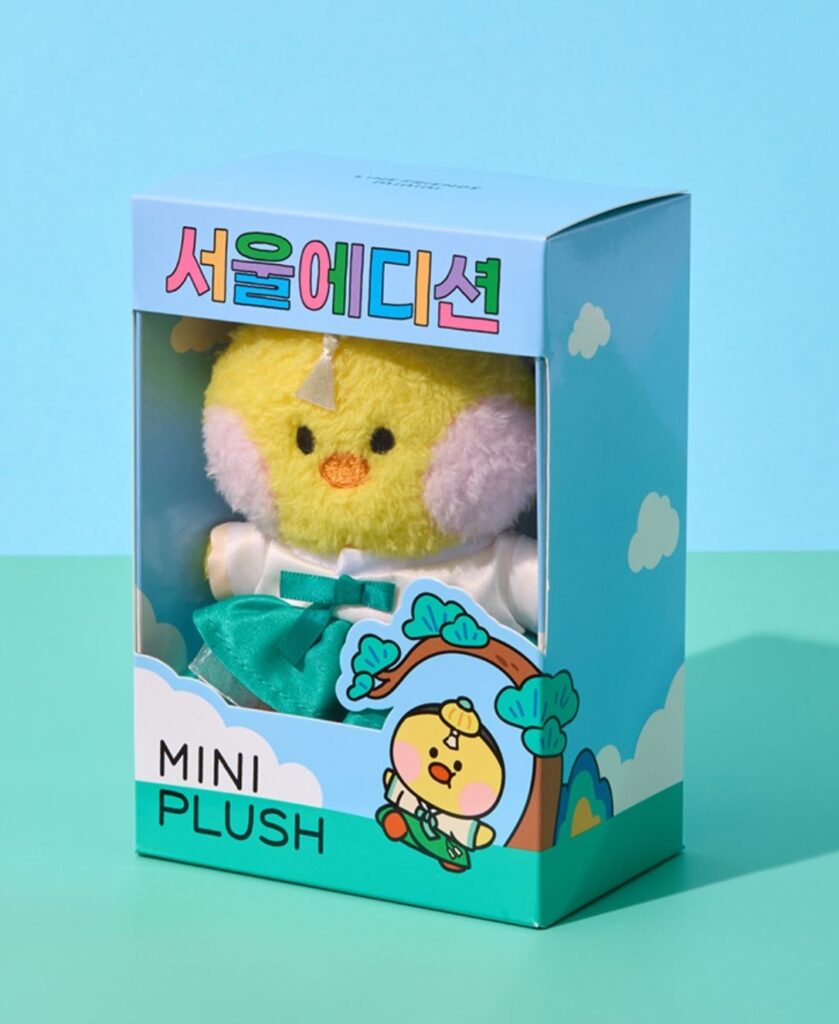
- Toys & Collectibles: Collectors may want to examine the product for any scratches or defects in the paint or missing parts without opening the sealed product. Transparent window boxes are helpful in such cases.
Other categories where the use of window box packaging is common are specialty candles, gift sets, and stationery kits. For example, brands selling candle boxes with window would allow the consumers to check for the color consistency and surface finish, as these are important factors in the quality of the product.
The Brand Owner’s Checklist: Designing for Success
Manufacturing a window box packaging demands some expert skills and creativity. There are essential factors to prioritize in the packaging design. They include:
- The “Sweet Spot” Placement
The window must not interfere or cover key information like the barcode, ingredient lists, regulatory marks, or instructions. This allows shoppers to view the product without any trouble in reading the information on the packaging. Hence, it’s imperative that you map out the part that would be used as a window even before the manufacturing starts.
Also, it’s advisable that the window is placed on the front or top face of the packaging for easy visibility. The placement should align with how the box is on the shelf.
- Product Orientation
Consider how the product sits inside the packaging. Does it need an insert to keep it centered in the window? If the product shifts during transit, the display effect is lost. For this reason, it’s recommended that you use inserts made from paperboard, molded pulp, or thermoformed trays to hold the products in place.
This is very important for fragile goods or irregularly-shaped products like bottled perfumes or stacked cookies. Inserts prevent shiftings that may cause damage and also make sure that the most attractive side faces the window every time.
- Film Choice
The transparent panels used for the window panels are commonly made from PET or PVC films, which are strong and clear. However, alternative films such as cellulose films or PLA films are increasingly being used in the industry, especially because they are eco-friendly.
Eco-friendly films, though more expensive, can be beneficial in enhancing your brand image and corporate sustainability strategy. Film choice is now a major differentiator for modern brands, with many using it on labels to attract customers.
- The “Peek-a-Boo” Strategy
The window should function as part of the visual design from the beginning rather than an afterthought. That is to say, instead of just making a rectangular cut in a box, you can make a fancy cut that adds to the visual appeal of the packaging.
You can cut the window part to be an eye or mouth, where the product inside completes the image. For example, if you own a cookie brand, your cookie window boxes can be designed to have an opened mouth, showing the food inside. This strategy draws more shoppers, increases their curiosity, and encourages social media shares.
- Cost Implications
Window packaging boxes typically cost more than fully-enclosed boxes. So before choosing to design some for your brand, consider if you’re ready to bear the higher costs. Although, window packaging boxes offer more benefits in the long run, such as increase in sales, brand perception, and reduced return rates.
The bottom line is: the production cost may be high, but in the long run, you will get higher returns to justify your investment.
- Prototype Evaluation
Don’t just settle for digital mockups. They cannot accurately predict lighting glare, film fogging, or alignment tolerance. Get a physical sample and test it to know whether lighting reflections disrupt the view of the product, whether adhesives are visible, or whether the window film interferes with the information on the packaging.
Prototype evaluation prevents costly production errors. Thus, make a sample for all your product types and sizes before mass production.
Conclusion
To create an effective window box packaging, you must have proper planning and use the right materials. A properly executed window box packaging design will increase the credibility of your brand, improve shelf visibility, and enable your product to convey its quality by itself & attract customers.